

Call us now08037735729
Acrylic - Polycarbonate Engineering Plastic
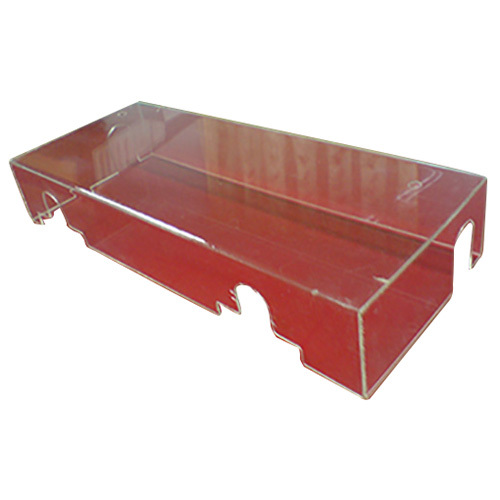

Acrylic - Polycarbonate Engineering Plastic Specification
- Product Type
- Engineering Plastic
- Plastic Type
- Acrylic - Polycarbonate
- Plastic Molding Type
- Extruded / Cast / Injection Molded
- Thickness
- 2 mm - 50 mm
- Density
- 1.2 Gram per cubic centimeter(g/cm3)
- Strength
- High Impact Strength
- Shape
- Sheet / Rod / Customized
- Tolerance
- 0.2 mm
- Light Transmission
- 85%92% (Acrylic), 80%89% (Polycarbonate)
- Color Options
- Transparent, Opaque, Customized Colors
- UV Resistance
- Excellent (Polycarbonate), Good (Acrylic)
- Applications
- Machine Guards, Sign Boards, Automotive Parts, Safety Glazing, Skylights, Electronic Components
- Water Absorption
- Low
- Flame Retardancy
- High (Polycarbonate), Moderate (Acrylic)
- Machinability
- Good, suitable for cutting, drilling, and shaping
- Temperature Resistance
- Up to 120C (Polycarbonate), Up to 80C (Acrylic)
Acrylic - Polycarbonate Engineering Plastic Trade Information
- Minimum Order Quantity
- 100 Units
- Payment Terms
- Cash in Advance (CID)
- Supply Ability
- 5000 Units Per Month
- Delivery Time
- 7 Days
- Main Domestic Market
- All India
About Acrylic - Polycarbonate Engineering Plastic
SHEETS:
- 3000 x 620 x 6 -60mm
- 2000 x 620 x 70 - 100mm
RODS: DIA 6 - 200 x 1000mm
STANDARD COLOURS: Transparent
ADVANTAGES:
- Transparent
- Extremely high impact
- High dimensional stability
- High mechanical strength
- Good chemical resistance
- Good insulating properties
- High resistance to radiation
- High temperature resistance
- Housings
- Coil bodies
- Caps and covers
- Relay components
- All types of lights
- For insulating parts
- Medical consumer goods
Superior Clarity and Strength
The unique properties of acrylic and polycarbonate make them stand out for their optical clarity and impact resistance. Acrylic sheets provide up to 92% light transmission, while polycarbonate offers up to 89% with heightened toughness. Both materials withstand rigorous environments and resist shattering, ensuring safety and durability in their end-use.
Flexible Design & Machining Options
These plastics can be extruded, cast, or injection molded to achieve various shapes and thicknesses from 2 mm up to 50 mm. Good machinability allows for precise cutting, drilling, and intricate shaping, making customization fast and efficient for specific industrial requirements.
Versatility in Application
Acrylic and polycarbonate plastics serve crucial roles in machine guards, sign boards, skylights, automotive components, and electronic parts. Their properties-such as high impact strength, adjustable opacity, and UV resistance-enable them to meet both safety and aesthetic demands across diverse environments.
FAQ's of Acrylic - Polycarbonate Engineering Plastic:
Q: How can acrylic and polycarbonate plastics be used in safety glazing applications?
A: Due to their high impact strength and the ability to withstand significant force without breaking, both acrylic and polycarbonate are frequently utilized in safety glazing for machinery, vehicles, and building windows, reducing the risk of injury from shattered glass.Q: What is the main process for manufacturing these plastics into desired shapes?
A: Acrylic and polycarbonate can be extruded, cast, or injection molded into sheets, rods, or custom forms. This versatility in manufacturing process ensures they can be tailored to suit specific dimensions and designs required for various projects.Q: When is polycarbonate preferred over acrylic in high-temperature environments?
A: Polycarbonate is chosen for settings exposed to elevated temperatures, as it resists heat up to 120C, whereas acrylic can only withstand up to 80C. Its superior flame retardancy and UV resistance also make it ideal for outdoor and demanding applications.Q: Where are customized colors and opacities particularly advantageous?
A: Tailored colors and opacity levels are especially beneficial for applications such as sign boards, interior design elements, and branded displays, where specific visual aesthetics or privacy considerations are important alongside durability.Q: How does UV resistance affect the longevity of these plastics outdoors?
A: Excellent UV resistance, especially in polycarbonate, prevents yellowing and material degradation under prolonged sunlight exposure, making these plastics ideal for skylights, outdoor signage, and building facades. Acrylic also offers good UV resistance for general outdoor use.Q: What benefits do users gain from the good machinability of these materials?
A: Good machinability means the plastics can be easily cut, drilled, and shaped to precise specifications, ensuring a seamless fit, reduced waste, and efficient production for both standard and custom applications.- Minimum Order Quantity
- 100 Units
- Supply Ability
- 5000 Units Per Month
- Delivery Time
- 7 Days
- Main Domestic Market
- All India
 Get Latest Price
Tell us about your requirement

Price:
Quantity
Select Unit
- 50
- 100
- 200
- 250
- 500
- 1000+
Additional detail
Mobile number
Email

More Products in Engineering Plastics Category
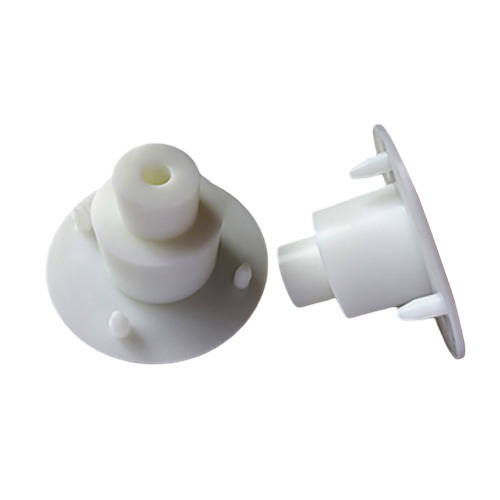
HDPE Engineering Plastic
Minimum Order Quantity : 100 Units
Plastic Molding Type : Extruding
Shape : Sheet
Product Type : HDPE Engineering Plastic Sheet
Density : 0.95 Gram per cubic centimeter(g/cm3)
Strength : High Tensile Strength
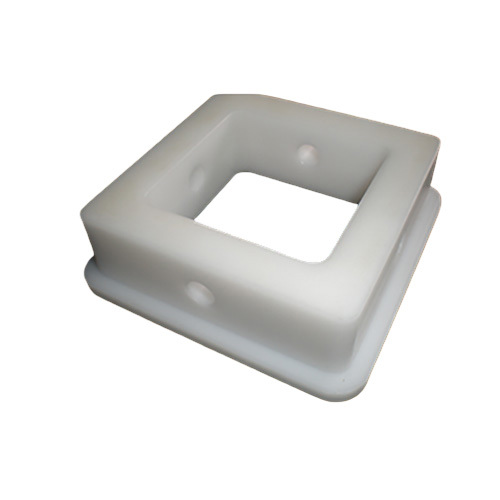
POM Engineering Plastic
Minimum Order Quantity : 100 Units
Plastic Molding Type : Extruding
Shape : Sheet, Rod
Product Type : POM Engineering Plastic
Density : 1.42 Gram per cubic centimeter(g/cm3)
Strength : High tensile strength
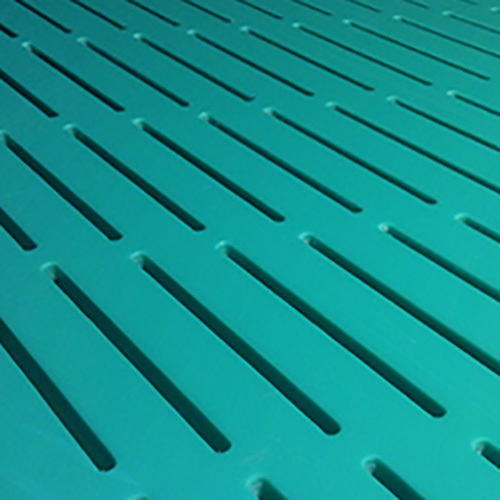
Uhmwpe Engineering Plastic
Minimum Order Quantity : 100 Units
Plastic Molding Type : Extruding
Shape : Sheet
Product Type : Uhmwpe Engineering Plastic
Density : 0.98 Gram per cubic centimeter(g/cm3)
Strength : High tensile and impact strength
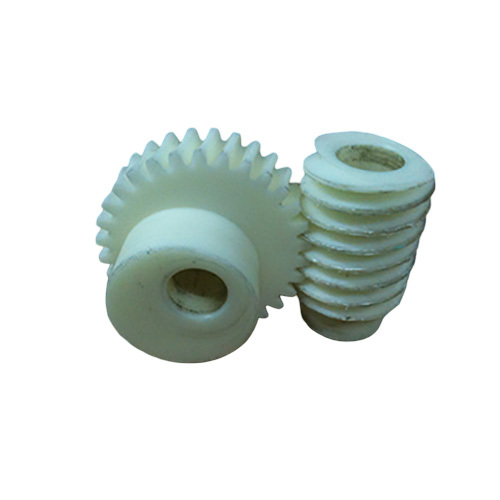
Cast Nylon Engineering Plastic
Minimum Order Quantity : 100 Units
Plastic Molding Type : Casting
Shape : Sheet
Product Type : Engineering Plastic Sheet
Density : 1.15 Gram per cubic centimeter(g/cm3)
Strength : High Tensile Strength

Contact Details
- No.56, Sri Subaganesh Industrial Estate, Kuppepalayam (Po), Annur Tk,Coimbatore - 641107, Tamil Nadu, India
SPECTRA PLAST INDIA PRIVATE LIMITED
GST : 33AAMCS6161R1ZM
- Spectra Plast (customer support )
- Mobile : 08037735729
-
 Send Inquiry
 Send Inquiry
 Send Inquiry
SPECTRA PLAST INDIA PRIVATE LIMITED
All Rights Reserved.(Terms of Use)
Developed and Managed by Infocom Network Private Limited.
Developed and Managed by Infocom Network Private Limited.
 English
 Spanish
 French
 German
 Italian
 Chinese (Simplified)
 Japanese
 Korean
 Arabic
 Portuguese