

Call us now08037735729
Duplex Belt
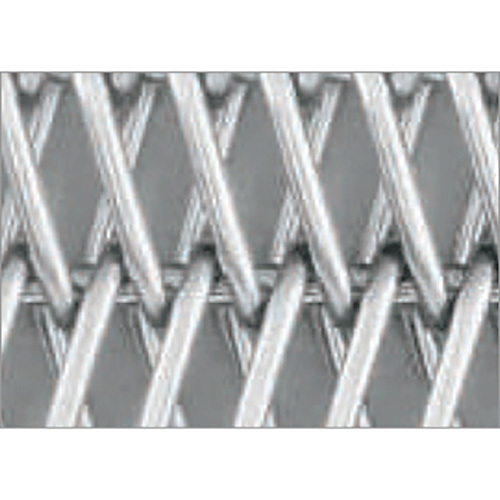

Duplex Belt Specification
- Hole Shape
- Rectangular
- Surface Treatment
- Other
- Length
- Customized as per requirement
- Wire Gauge
- 14G to 22G
- Aperture
- 4 mm to 20 mm
- Mesh Type
- Duplex Mesh
- Mesh Style
- Woven Wire Mesh
- Material
- Other
- Alloy
- Stainless Steel, Mild Steel
- Application
- Other
- Dimensions
- As per customer specifications
- Wire Diameter
- 1.5 mm to 2.5 mm
- Weight
- As per size and specification
- Color
- Metallic Silver
- Tensile Strength
- High tensile for industrial load
- Edge Type
- Welded or Chain Link Edge
- Operating Temperature
- Up to 1150C (depending on material)
- Belt Thickness
- 3 mm to 8 mm
- Conveyor Type
- Straight Running
- Maintenance
- Low maintenance required
- Flexibility
- Flexible for curved conveyors
- Corrosion Resistance
- Excellent (Stainless Steel)
- Standard Widths
- 250 mm to 2000 mm
Duplex Belt Trade Information
- Minimum Order Quantity
- 100 Units
- Payment Terms
- Cash in Advance (CID)
- Supply Ability
- 5000 Units Per Month
- Delivery Time
- 7 Days
- Main Domestic Market
- All India
About Duplex Belt
Manufacturer & Exporter of Modular belts, Slat Chains and a complete range of conveyor components.
Applications
- Drying Ovens
- Noodle Making Machine
- Tyre Industries
- Salt Industries
- Food Processing Industry
- Agriculture Industry
Outstanding Heat and Corrosion Resistance
Engineered for durability, the Duplex Belt withstands extreme temperatures-up to 1150C-and resists corrosion owing to premium stainless steel construction. This makes it ideal for industries such as metallurgy, food processing, and chemical handling, where harsh conditions are common. Its robust design ensures longevity and reliability in critical applications.
Customizable to Your Operations
With customizable lengths, widths (250 mm to 2000 mm), mesh aperture sizes, and wire diameters, the Duplex Belt offers tailored solutions for various conveyance needs. Clients can specify dimensions, edge type (welded or chain link), and alloy materials-allowing perfect integration into existing or new conveyor systems, whether for straight or curved operation.
FAQ's of Duplex Belt:
Q: How is the Duplex Belt installed and integrated into existing conveyor systems?
A: The Duplex Belt can be custom-fabricated to meet the specific width, length, edge type, and mesh requirements of your existing system. Installation is straightforward and can be handled by your engineering team or with support from the supplier, ensuring compatibility with straight or curved conveyor types.Q: What maintenance is required for the Duplex Belt during operation?
A: The Duplex Belt is designed for low maintenance. Periodic checks for wear, tension, and cleaning to remove debris are generally sufficient to ensure optimal performance. Its high corrosion resistance minimizes the risk of rust or deterioration, reducing shutdowns and maintenance frequency.Q: When should I choose stainless steel or mild steel for my Duplex Belt?
A: Choose stainless steel for applications requiring excellent corrosion resistance and higher operating temperatures-up to 1150C. Mild steel is suitable where cost is a concern and corrosion exposure is limited. The choice depends on your operational environment and the specific demands of your process.Q: Where is the Duplex Belt most commonly used?
A: The Duplex Belt is widely utilized in industries such as food processing, heat treatment, metal working, and chemical processing. Its flexibility, heat resistance, and strength make it ideal for applications involving straight running or curved conveying of heavy or sensitive materials.Q: What is the benefit of using a Duplex Mesh design in conveyor belts?
A: A Duplex Mesh design provides increased durability, higher tensile strength, and better load distribution compared to standard wire mesh. This ensures the belt can handle heavier industrial loads and challenging operating conditions while maintaining flexibility and reliability.Q: How is the customized specification process for a Duplex Belt handled?
A: Customers can provide exact requirements such as width, length, mesh aperture, wire diameter, and edge type. The manufacturer or supplier then produces the belt based on these specifications, ensuring a perfect fit for your specific application and conveyor layout.- Minimum Order Quantity
- 100 Units
- Supply Ability
- 5000 Units Per Month
- Delivery Time
- 7 Days
- Main Domestic Market
- All India
 Get Latest Price
Tell us about your requirement

Price:
Quantity
Select Unit
- 50
- 100
- 200
- 250
- 500
- 1000+
Additional detail
Mobile number
Email

More Products in Wire Mesh Category
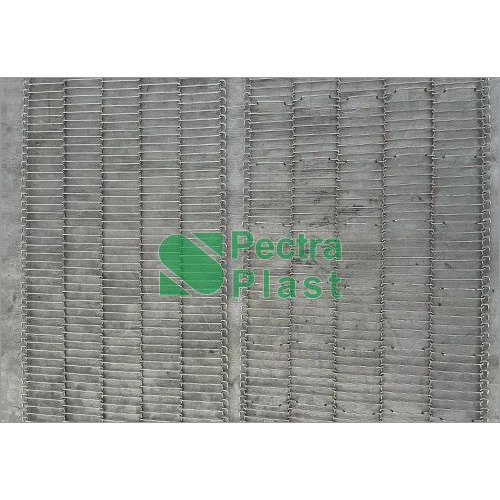
Enrober Belt
Price 550 INR / Square Foot
Minimum Order Quantity : 10
Material : Stainless Steel
Wire Diameter : 0.9 MM UPTO 2.5 MM
Length : Custom lengths available
Application : Other, FOOD PROCESSING INDUSTRIES
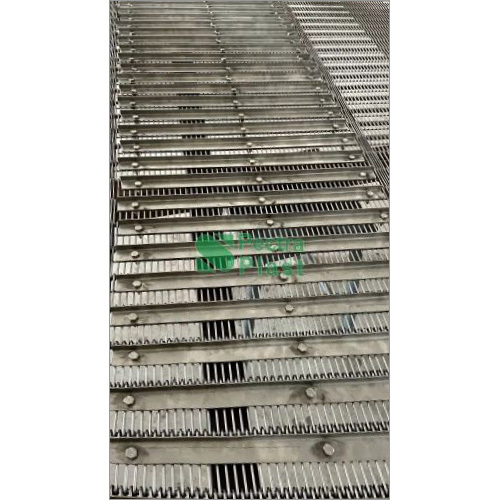
Eye Link Belt
Price 1050 INR / Square Foot
Minimum Order Quantity : 10 Square Foots
Material : Stainless Steel
Wire Diameter : 2.5 mm
Length : 10 mtrs
Application : Other, Veneer, Tyre, Selt Industries
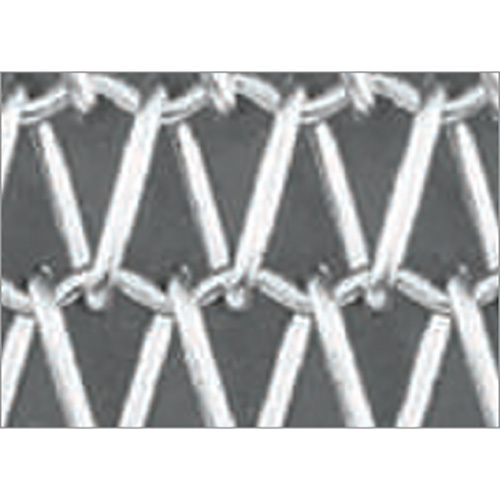
Balance Weave Belt
Minimum Order Quantity : 100 Units
Material : Other
Wire Diameter : 1.5 mm 5 mm
Length : As per requirement, up to 50 meters
Application : Other
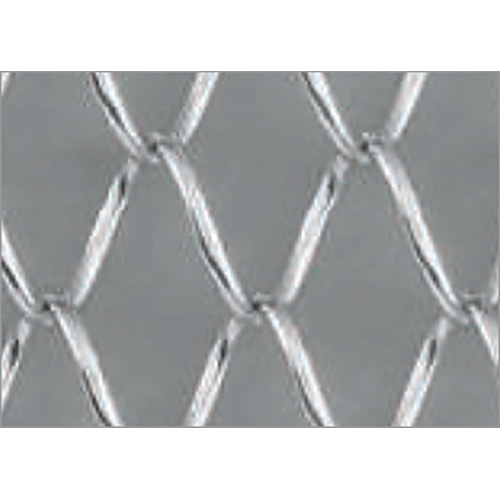
Chain Link
Minimum Order Quantity : 100
Material : Other
Wire Diameter : 1.6mm 4mm
Length : Customizable / As per requirement
Application : Other

Contact Details
- No.56, Sri Subaganesh Industrial Estate, Kuppepalayam (Po), Annur Tk,Coimbatore - 641107, Tamil Nadu, India
SPECTRA PLAST INDIA PRIVATE LIMITED
GST : 33AAMCS6161R1ZM
- Spectra Plast (customer support )
- Mobile : 08037735729
-
 Send Inquiry
 Send Inquiry
 Send Inquiry
 Call Me Free
SPECTRA PLAST INDIA PRIVATE LIMITED
All Rights Reserved.(Terms of Use)
Developed and Managed by Infocom Network Private Limited.
Developed and Managed by Infocom Network Private Limited.
 English
 Spanish
 French
 German
 Italian
 Chinese (Simplified)
 Japanese
 Korean
 Arabic
 Portuguese