

Call us now08037735729
Dye Penetrant Tank
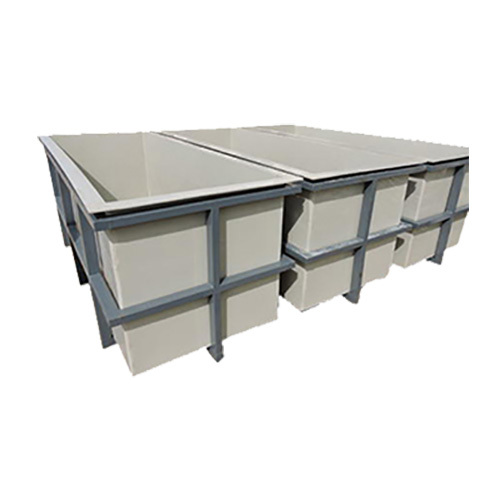

Dye Penetrant Tank Specification
- Material
- Stainless Steel
- Capacity
- 100 Liters
- Shape
- Rectangular
- Application
- Dye Penetrant Testing
- Power
- 2 kW
- Voltage
- 230 V
- Insulation
- High-Density Mineral Wool
- Tank Type
- Double Walled
- Temperature Range
- Ambient to 60C
- Heating System
- Electric Immersion Heater
- Drain Valve
- Stainless Steel Ball Valve
- Mobility
- Castor Wheels
- Surface Finish
- Polished
- Control Panel
- Digital Temperature Controller
- Dimensions
- 1200 mm x 600 mm x 800 mm
Dye Penetrant Tank Trade Information
- Minimum Order Quantity
- 1 Unit
- Payment Terms
- Cash in Advance (CID)
- Supply Ability
- 100 Units Per Month
- Delivery Time
- 7 Days
- Main Domestic Market
- All India
About Dye Penetrant Tank
Features
- Corrosion Resistance.
- Long-lasting and Durable Construction
- FDA Approved Raw Materials.
- Handle Temperature upto 200
- Galvanizing Plant
- Enclosures of ventilation
Advanced Temperature Control
Equipped with a digital temperature controller and an efficient electric immersion heater, this tank maintains precise temperatures ranging from ambient to 60C. This control is critical for consistent dye penetration results and enhances the efficiency of the testing process in industrial environments.
High-Capacity and Durable Design
With a 100-liter capacity, double-walled structure, and crafted from polished stainless steel, this dye penetrant tank supports demanding operations. The rectangular design and large internal space allow easy immersion of components, while high-density mineral wool insulation ensures safety and thermal stability.
FAQ's of Dye Penetrant Tank:
Q: How does the heating system maintain consistent temperatures during dye penetrant testing?
A: The tank uses an electric immersion heater managed by a digital temperature controller, ensuring the testing liquid remains within the desired range from ambient to 60C. High-density mineral wool insulation preserves heat and maintains stable conditions for reliable test results.Q: What are the main benefits of a double-walled, insulated dye penetrant tank?
A: A double-walled design with high-density mineral wool insulation enhances safety by minimizing heat loss and surface temperature while providing structural strength and increased durability, making it suitable for rigorous industrial use.Q: When should the tank's temperature be adjusted for optimal test outcomes?
A: You should adjust the tank's temperature according to the requirements of the dye penetrant procedure and the specific material being tested. The digital control panel enables precise settings to match testing protocols for different applications.Q: Where can this dye penetrant tank be effectively used?
A: This tank is ideal for manufacturing facilities, quality control labs, and inspection centers, especially those engaged in non-destructive testing methods in India. Its mobility and robust features allow it to be positioned wherever needed within your facility.Q: What is the process for draining and cleaning the tank after testing?
A: After testing, the built-in stainless steel ball valve enables quick and hygienic drainage. The polished stainless steel surface prevents residue buildup, making it easy to clean and prepare for the next use.Q: How does the addition of castor wheels benefit daily operations?
A: Castor wheels enhance mobility, allowing users to relocate the tank effortlessly within a workspace, improving workflow flexibility and catering to changing floor layouts.Q: What is the typical power and voltage required for safe operation?
A: The tank operates at 2 kW power with a 230 V supply, suitable for standard industrial electrical configurations in India, ensuring efficient and consistent heating performance.- Minimum Order Quantity
- 1 Unit
- Supply Ability
- 100 Units Per Month
- Delivery Time
- 7 Days
- Main Domestic Market
- All India
 Get Latest Price
Tell us about your requirement

Price:
Quantity
Select Unit
- 50
- 100
- 200
- 250
- 500
- 1000+
Additional detail
Mobile number
Email

More Products in Polypropylene Tank Category
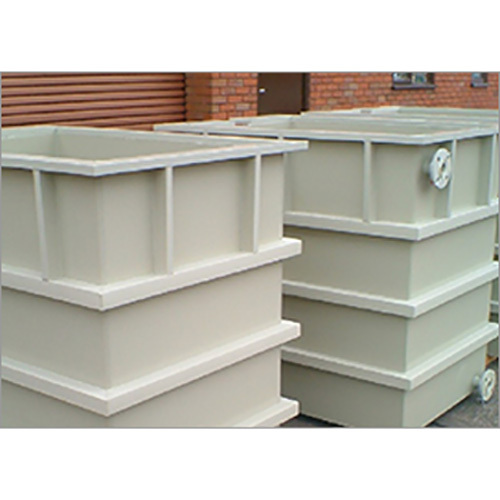
Alkaline Tank
Minimum Order Quantity : 1 Unit
Power : 1000 W
Shape : Cylindrical
Application : Alkaline Water Storage
Capacity : 500 L
Voltage : 220240 V
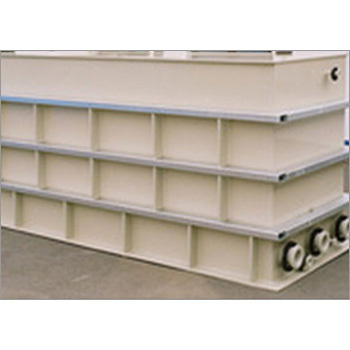
Pickling Tank
Minimum Order Quantity : 1 Unit
Power : Manual or Electric powered
Shape : Rectangular
Application : Industrial pickling, metal surface treatment
Capacity : 50010000 Liters (Customizable)
Voltage : 220440 V
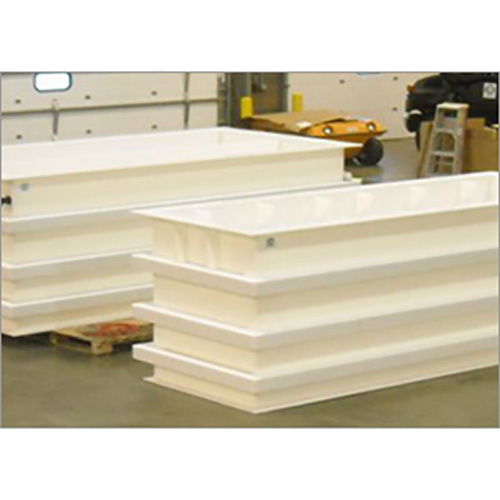
Electro Plating Tank
Minimum Order Quantity : 1 Unit
Power : 25 kW
Shape : Rectangular
Application : Electroplating process, surface finishing
Capacity : 5001000 Liters
Voltage : 220240 V

Contact Details
- No.56, Sri Subaganesh Industrial Estate, Kuppepalayam (Po), Annur Tk,Coimbatore - 641107, Tamil Nadu, India
SPECTRA PLAST INDIA PRIVATE LIMITED
GST : 33AAMCS6161R1ZM
- Spectra Plast (customer support )
- Mobile : 08037735729
-
 Send Inquiry
 Send Inquiry
 Send Inquiry
SPECTRA PLAST INDIA PRIVATE LIMITED
All Rights Reserved.(Terms of Use)
Developed and Managed by Infocom Network Private Limited.
Developed and Managed by Infocom Network Private Limited.
 English
 Spanish
 French
 German
 Italian
 Chinese (Simplified)
 Japanese
 Korean
 Arabic
 Portuguese