

Call us now08037735729
PET Engineering Plastic
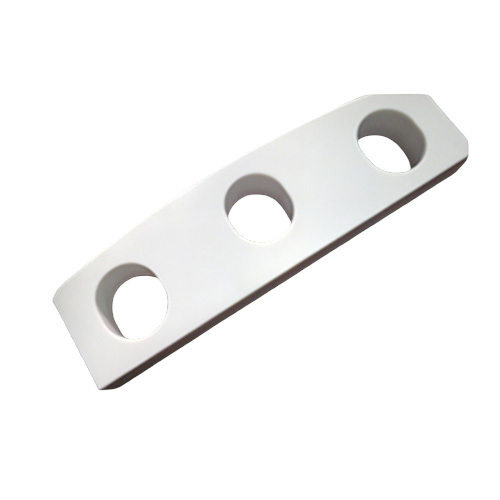

PET Engineering Plastic Specification
- Product Type
- Engineering Plastic Sheet
- Plastic Type
- Polyethylene Terephthalate (PET)
- Plastic Molding Type
- Extrusion Molding
- Thickness
- 2 mm to 15 mm
- Density
- 1.38 Gram per cubic centimeter(g/cm3)
- Strength
- High Tensile Strength
- Shape
- Sheet
- Operating Temperature
- -20C to +120C
- Applications
- Mechanical engineering, electrical insulation, food and beverage industry, packaging
- Flammability
- Self-Extinguishing
- Abrasion Resistance
- Excellent
- Color
- Transparent / Natural
- Hardness
- Rockwell R100
- Chemical Resistance
- Resistant to acids, oils, and solvents
- Surface Finish
- Smooth
- Water Absorption
- 0.16% (23C for 24 hrs)
- Thermal Expansion
- Low
PET Engineering Plastic Trade Information
- Minimum Order Quantity
- 100 Units
- Payment Terms
- Cash in Advance (CID)
- Supply Ability
- 5000 Units Per Month
- Delivery Time
- 7 Days
- Main Domestic Market
- All India
About PET Engineering Plastic
SHEETS:
- 3000 x 620 x 8-60mm
- 2000 x 620 x 70 - 100mm
RODS: : DIA 25 - 200 x 1000mm
STANDARD COLOURS: White & Black
APPLICATIONS
- Seals
- Carriers
- Bearings
- Insulators
- Connectors
- Housings
- Sliding rails
- Gear wheels
- Dough elements
ADVANTAGES:
- Wear resistant
- Chemical resistant
- Good machinability
- High tensile strength
- Dimensionally stable
- High surface strength
- Low thermal expansion
- Good sliding properties
- Excellent creep behavior
- Good electrical properties
- Very low water absorption
Versatile Engineering Applications
PET Engineering Plastic excels across multiple industries due to its high tensile strength, smooth surface, and excellent abrasion and chemical resistance. It is widely used in mechanical components, electrical insulators, as well as in packaging for food and beverages due to its safety and stability. With a density of 1.38 g/cm3 and thickness options from 2 mm to 15 mm, it addresses diverse engineering and industrial requirements with ease.
Reliable Performance Under Varying Conditions
Designed to operate effectively within a temperature range of -20C to +120C, this PET sheet maintains form and functionality in fluctuating environments. Its low water absorption and self-extinguishing properties make it a reliable choice for safety-critical and dimensionally sensitive applications. This ensures longevity and minimal maintenance, even when exposed to acids, oils, and similar industrial chemicals.
FAQ's of PET Engineering Plastic:
Q: How is PET Engineering Plastic typically manufactured and supplied?
A: PET Engineering Plastic is produced through an extrusion molding process, resulting in sheets with a thickness ranging from 2 mm to 15 mm. Manufacturers, suppliers, and traders in India typically supply these sheets in transparent or natural colors with a smooth surface finish.Q: What are the main benefits of using PET Engineering Plastic in industrial applications?
A: This material offers high tensile strength, excellent abrasion and chemical resistance, and a low thermal expansion coefficient, making it ideal for demanding mechanical and electrical environments. Its self-extinguishing flammability and low water absorption add to its safety and durability.Q: Where can PET Engineering Plastic be effectively utilized?
A: PET Engineering Plastic is highly suitable for use in mechanical engineering, electrical insulation, the food and beverage industry, and various packaging applications due to its strength, stability, and resistance properties.Q: When should I consider using PET sheets instead of other plastics?
A: Consider using PET sheets when high strength, low moisture absorption, chemical resistance, and a smooth surface are required. They are particularly advantageous when dimensional stability and safety (flame resistance) are crucial, such as in electrical and food packaging settings.Q: How does the water absorption property of PET affect its performance?
A: With water absorption as low as 0.16% at 23C over 24 hours, PET Engineering Plastic maintains its dimensions and mechanical properties even in humid conditions, making it a reliable choice for environments exposed to moisture.Q: What is the typical operating temperature range for PET Engineering Plastic?
A: This plastic operates reliably between -20C to +120C, ensuring stability and performance across a wide range of thermal environments.Q: What advantages does PET Engineering Plastic offer in terms of safety and compliance for food contact applications?
A: PET's chemical resistance, low water absorption, and self-extinguishing nature make it an excellent material for food and beverage packaging, ensuring both safety and compliance with industry standards.- Minimum Order Quantity
- 100 Units
- Supply Ability
- 5000 Units Per Month
- Delivery Time
- 7 Days
- Main Domestic Market
- All India
 Get Latest Price
Tell us about your requirement

Price:
Quantity
Select Unit
- 50
- 100
- 200
- 250
- 500
- 1000+
Additional detail
Mobile number
Email

More Products in Engineering Plastics Category
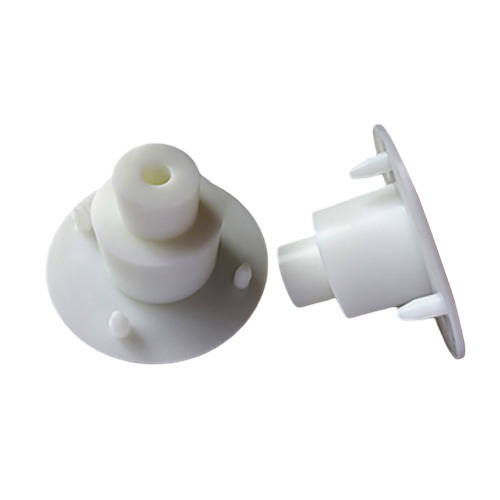
HDPE Engineering Plastic
Minimum Order Quantity : 100 Units
Density : 0.95 Gram per cubic centimeter(g/cm3)
Plastic Type : Other, HDPE (High Density Polyethylene)
Thickness : 2 to 100 mm
Plastic Molding Type : Extruding
Strength : High Tensile Strength
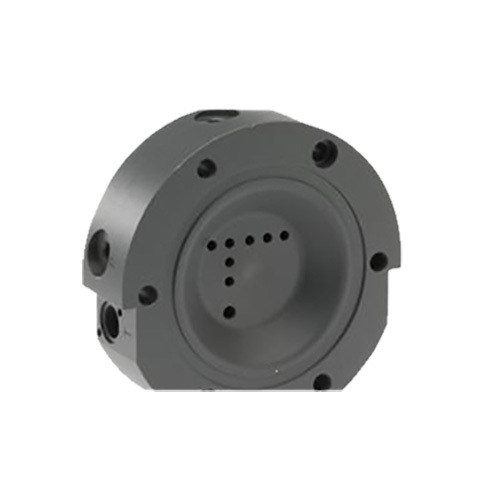
PVC Engineering Plastic
Minimum Order Quantity : 100 Units
Density : 1.45 Gram per cubic centimeter(g/cm3)
Plastic Type : Other, Polyvinyl Chloride (PVC)
Thickness : 1100 mm
Plastic Molding Type : Extruding
Strength : High
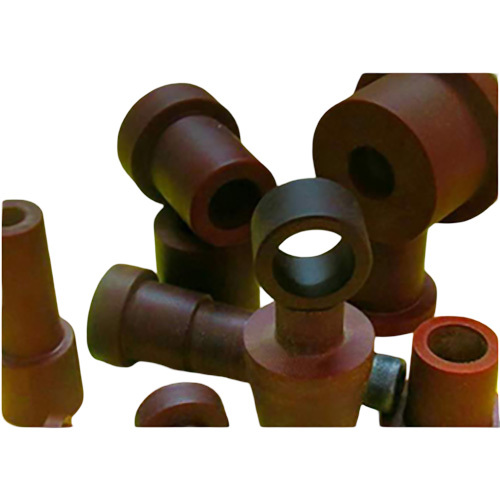
HYLAM Engineering Plastic
Minimum Order Quantity : 100 Units
Density : 1.45 Gram per cubic centimeter(g/cm3)
Plastic Type : Other, Phenolic (Hylam)
Thickness : 3 mm to 50 mm
Plastic Molding Type : Other, Compression Molding
Strength : High Mechanical Strength
PP Engineering Plastic
Minimum Order Quantity : 100 Units
Density : 0.91 Gram per cubic centimeter(g/cm3)
Plastic Type : PP
Thickness : 25 Millimeter (mm)
Plastic Molding Type : Extruding
Strength : High

Contact Details
- No.56, Sri Subaganesh Industrial Estate, Kuppepalayam (Po), Annur Tk,Coimbatore - 641107, Tamil Nadu, India
SPECTRA PLAST INDIA PRIVATE LIMITED
GST : 33AAMCS6161R1ZM
- Spectra Plast (customer support )
- Mobile : 08037735729
-
 Send Inquiry
 Send Inquiry
 Send Inquiry
 Call Me Free
SPECTRA PLAST INDIA PRIVATE LIMITED
All Rights Reserved.(Terms of Use)
Developed and Managed by Infocom Network Private Limited.
Developed and Managed by Infocom Network Private Limited.
 English
 Spanish
 French
 German
 Italian
 Chinese (Simplified)
 Japanese
 Korean
 Arabic
 Portuguese