

Call us now08037735729
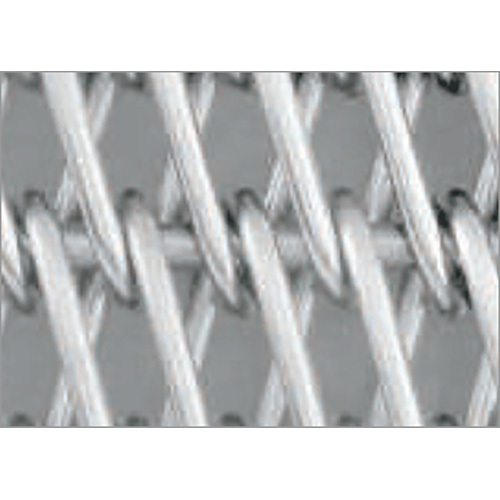
Balanced Compound Belt
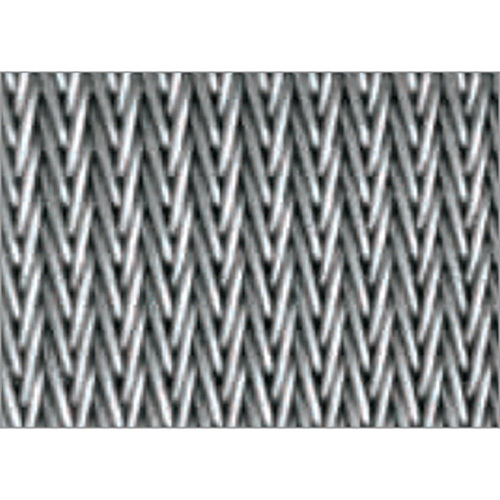

Balanced Compound Belt Specification
- Aperture
- 2 mm to 10 mm
- Surface Treatment
- Other
- Wire Gauge
- 18-24 SWG
- Length
- Custom as per requirement
- Hole Shape
- Rectangular
- Mesh Type
- Compound Balanced
- Mesh Style
- Flat-Flex Balanced Weave
- Material
- Stainless Steel
- Alloy
- SS304/SS316
- Application
- Other
- Dimensions
- Customizable width and length
- Wire Diameter
- 1 mm - 2 mm
- Weight
- Variable as per size
- Color
- Metallic Silver
- Tensile Strength
- High, for industrial use
- Maintenance
- Low Maintenance
- Edge Type
- Welded or Chain Edge
- Operating Temperature
- Up to 1200C
- Conveyor Type
- Continuous Operation
- Corrosion Resistance
- Excellent
- Flexibility
- High Flexibility for Turns
Balanced Compound Belt Trade Information
- Minimum Order Quantity
- 100 Units
- Payment Terms
- Cash in Advance (CID)
- Supply Ability
- 5000 Units Per Month
- Delivery Time
- 7 Days
- Main Domestic Market
- All India
About Balanced Compound Belt
Manufacturer & Exporter of Modular belts, Slat Chains and a complete range of conveyor components.
Applications
- Drying Ovens
- Noodle Making Machine
- Tyre Industries
- Salt Industries
- Food Processing Industry
- Agriculture Industry
Reliable Performance in Extreme Environments
Built for industries requiring robust thermal resistance and reliable operation, this belt withstands temperatures up to 1200C. The stainless steel construction, available in both SS304 and SS316 alloys, offers exceptional resistance to corrosion, making it ideal for harsh manufacturing settings.
Customizable for Unique Conveyor Needs
Our balanced compound belt can be tailored in length, width, wire diameter (1-2 mm), and aperture (2 mm to 10 mm) to precisely fit your conveyor system. Both flat-flex balanced weave and compound balanced mesh styles are available, with welded or chain edge types to suit specific turn and load requirements.
Efficient Operation with Minimal Maintenance
Designed for continuous conveyor operations, these belts require little upkeep thanks to their rugged design and low-maintenance properties. High flexibility allows for smooth turns, and durable materials ensure long life, reducing operational hassles and maintenance costs.
FAQ's of Balanced Compound Belt:
Q: How can the Balanced Compound Belt be customized for specific industrial conveyor systems?
A: The belt is customizable in both width and length to match your conveyor layout. You can also choose the mesh style (flat-flex or compound balanced), wire diameter, aperture size, and edge type (welded or chain edge) to meet unique operational requirements.Q: What are the benefits of using SS304 or SS316 stainless steel in these conveyor belts?
A: SS304 and SS316 offer outstanding corrosion resistance, ensuring the belt's longevity even in chemically aggressive or high-moisture environments. These materials also maintain structural integrity at elevated temperatures, supporting industrial processes up to 1200C.Q: When should I choose a welded edge versus a chain edge for my conveyor belt?
A: A welded edge is ideal for light to moderate loads and simple transport, while a chain edge provides added strength and stability for conveying heavier or bulkier materials, especially in operations involving many turns or heated processes.Q: Where are these balanced compound belts typically used?
A: They are widely used in industries such as heat treatment, metal processing, food baking, glass manufacturing, and chemical processing, where high temperatures and excellent corrosion resistance are crucial.Q: What maintenance does the Balanced Compound Belt require?
A: Thanks to the robust materials and design, routine cleaning and periodic inspections for wear and tear are generally sufficient. The belt's low-maintenance nature helps minimize downtime and labor costs.Q: How does the belt's flexibility support continuous operation and turns?
A: Its high flexibility allows the belt to smoothly navigate conveyor turns and curves without compromising product flow, making it highly effective in continuous, automated industrial processes.- Minimum Order Quantity
- 100 Units
- Supply Ability
- 5000 Units Per Month
- Delivery Time
- 7 Days
- Main Domestic Market
- All India
 Get Latest Price
Tell us about your requirement

Price:
Quantity
Select Unit
- 50
- 100
- 200
- 250
- 500
- 1000+
Additional detail
Mobile number
Email

More Products in Wire Mesh Category
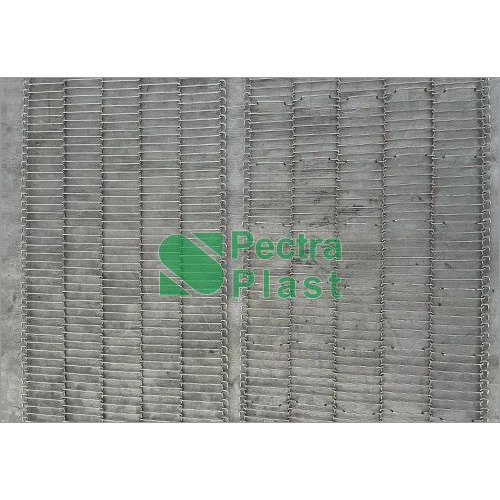
Enrober Belt
Minimum Order Quantity : 10
Application : Other, FOOD PROCESSING INDUSTRIES
Wire Gauge : 20 UPTO 12 SWG
Color : Silver
Length : Custom lengths available
Aperture : Variable as per design
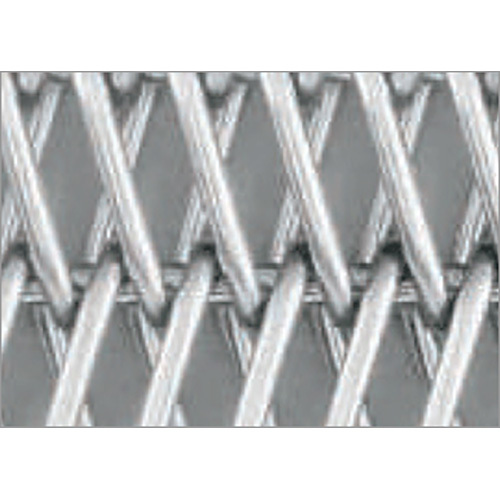
Double Weave Belt
Minimum Order Quantity : 100
Application : Other
Wire Gauge : 10 to 25 SWG
Color : Silver / Green
Length : Up to 100 meters
Aperture : 6 mm x 25 mm
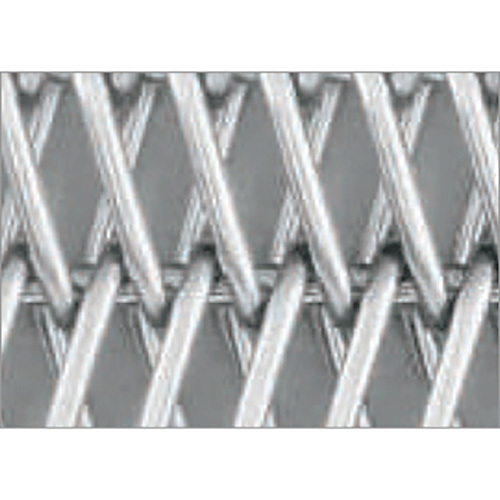
Duplex Belt
Minimum Order Quantity : 100 Units
Application : Other
Wire Gauge : 14G to 22G
Color : Metallic Silver
Length : Customized as per requirement
Aperture : 4 mm to 20 mm
Gratex Belt
Minimum Order Quantity : 100
Application : Other
Wire Gauge : 2 mm
Color : Silver
Length : Customized / As per requirement
Aperture : 6 mm x 20 mm

Contact Details
- No.56, Sri Subaganesh Industrial Estate, Kuppepalayam (Po), Annur Tk,Coimbatore - 641107, Tamil Nadu, India
SPECTRA PLAST INDIA PRIVATE LIMITED
GST : 33AAMCS6161R1ZM
- Spectra Plast (customer support )
- Mobile : 08037735729
-
 Send Inquiry
 Send Inquiry
 Send Inquiry
SPECTRA PLAST INDIA PRIVATE LIMITED
All Rights Reserved.(Terms of Use)
Developed and Managed by Infocom Network Private Limited.
Developed and Managed by Infocom Network Private Limited.
 English
 Spanish
 French
 German
 Italian
 Chinese (Simplified)
 Japanese
 Korean
 Arabic
 Portuguese